
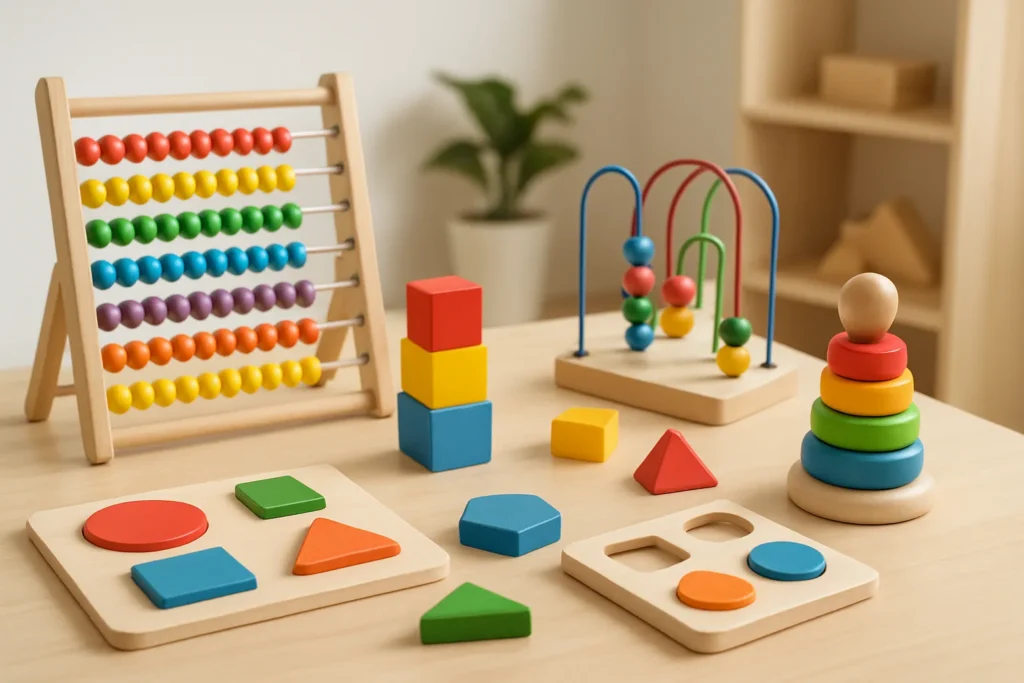
Exploring Educational Toys: Benefits for Wholesale Suppliers and Retailers
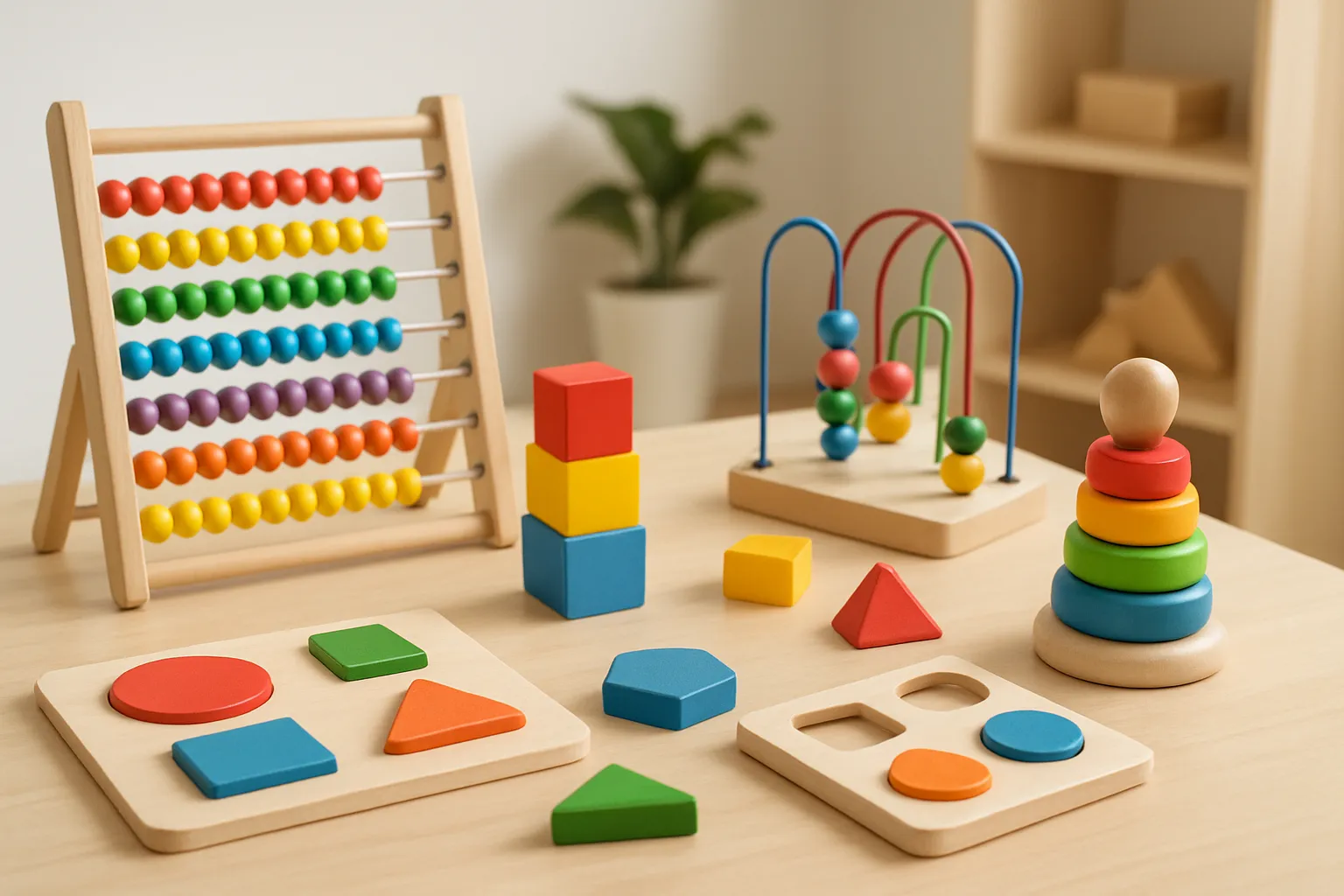
Educational toys are not just playthings; they are carefully crafted tools that promote learning through engaging play. This unique blend of fun and education captivates children’s attention while fostering essential skills that they will carry throughout their lives. As awareness grows regarding the significance of early education, we’ve seen a remarkable surge in the educational toy market. From my experience, parents and educators are increasingly willing to invest in educational toys, recognizing their invaluable role in enhancing children’s learning experiences.
Types of Educational Toys
Educational toys come in a multitude of forms, each tailored to address different facets of child development.
- Categories of Educational Toys: These toys can range from puzzles and building blocks to science kits and art supplies. Each category serves a specific purpose, whether it’s enhancing problem-solving skills or encouraging creativity.
- Wholesale Brain Games: Among the most sought-after educational toys are brain games that challenge children to think critically and solve problems. As a wholesale supplier, offering a diverse range of brain games can draw in more customers looking for products that stimulate cognitive development.
- Traditional Toys as Learning Tools: Even traditional toys, such as dolls and action figures, can serve educational purposes. They encourage imaginative play, which is vital for social and emotional development. Suppliers of traditional toys can position their products as dual-purpose, appealing to parents who value both playtime and learning.
Benefits of Educational Toys for Children
The advantages of educational toys extend far beyond mere entertainment.
- Cognitive Development: Engaging with educational toys significantly enhances children’s cognitive abilities. Toys that involve puzzles or problem-solving tasks can improve critical thinking skills and boost memory retention.
- Social Skills Enhancement: Many educational toys promote group play, fostering teamwork and communication among children. This interaction is crucial for developing essential social skills like sharing and empathy.
- Physical Development: Educational toys often incorporate physical activity, promoting motor skills and coordination. Toys that require manipulation, such as building blocks, allow children to refine their fine motor skills while having fun.
Sourcing Educational Toys
Finding reliable suppliers is essential for wholesale businesses eager to offer educational toys.
- Finding Reliable Suppliers: Researching and vetting potential suppliers is crucial. Look for those with a proven track record in the educational toy market, as well as positive reviews from other retailers.
- Evaluating Product Quality: Never compromise on quality. Educational toys must meet safety standards and be made from durable materials. Conducting quality checks and requesting samples can help ensure that products meet your expectations.
- Importing vs. Domestic Sourcing: Weigh the pros and cons of importing educational toys versus sourcing them domestically. While importing might offer lower costs, domestic sourcing can lead to faster shipping times and easier communication.
Implementing Educational Toys in Retail
Once you’ve sourced educational toys, the next step is their effective implementation in your retail space.
- Display and Marketing Strategies: Create engaging displays that showcase the educational benefits of the toys. Use signage that highlights how these toys aid in learning and development.
- Customer Engagement Techniques: Consider hosting workshops or demonstrations to engage customers and illustrate how educational toys work. Interactive displays can attract attention and stimulate sales.
- Pricing Strategies for Wholesale: Set competitive pricing while ensuring a healthy profit margin. Consider offering bundle deals or discounts for bulk purchases to encourage retailers to stock your products.
Comparing Educational Toys to Traditional Toys
Understanding the differences between educational toys and traditional toys can help suppliers position their products more effectively.
- Educational Value: Educational toys typically offer more learning benefits compared to traditional toys. They are designed with specific developmental goals in mind, which makes them more appealing to parents and educators.
- Market Demand: The demand for educational toys is on the rise, driven by an increasing emphasis on early childhood education. Suppliers can capitalize on this trend by focusing on innovative educational products.
- Profit Margins: While traditional toys may have broader appeal, educational toys often command higher prices due to their perceived value. This can result in better profit margins for suppliers who effectively market their products.
Frequently Asked Questions
- What to Look for in Educational Toys? When selecting educational toys, consider their developmental benefits, safety standards, and age appropriateness.
- How to Choose the Right Supplier? Seek suppliers with a strong reputation, quality products, and good customer service. Request references and conduct thorough research.
- What are the Trends in Educational Toys? Current trends include a focus on STEM (Science, Technology, Engineering, and Mathematics) toys, eco-friendly materials, and toys that promote social-emotional learning.
Conclusion
Educational toys are not only beneficial for children’s development but also present a lucrative opportunity for wholesale suppliers. By understanding the types of educational toys available, sourcing quality products, and implementing effective retail strategies, suppliers can thrive in this growing market. As the demand for educational toys continues to rise, staying informed about trends and customer preferences will be crucial for success in this dynamic industry. For more insights, refer to this industry reference on educational toys.