
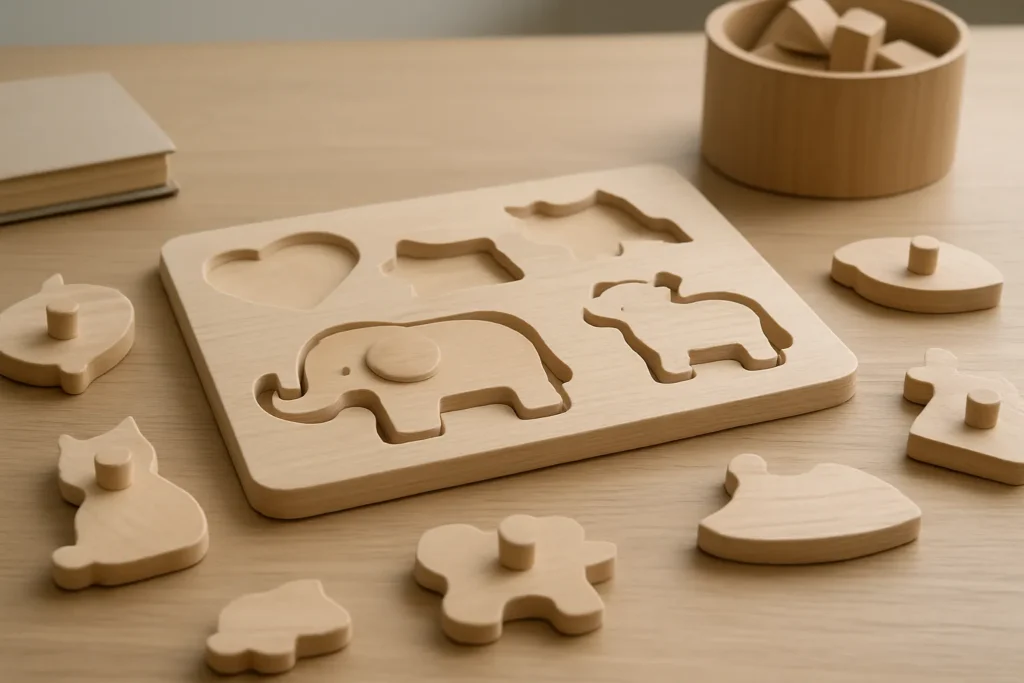
Enhancing Cognitive Skills with Wooden Puzzles: A Retailer’s Guide to Success
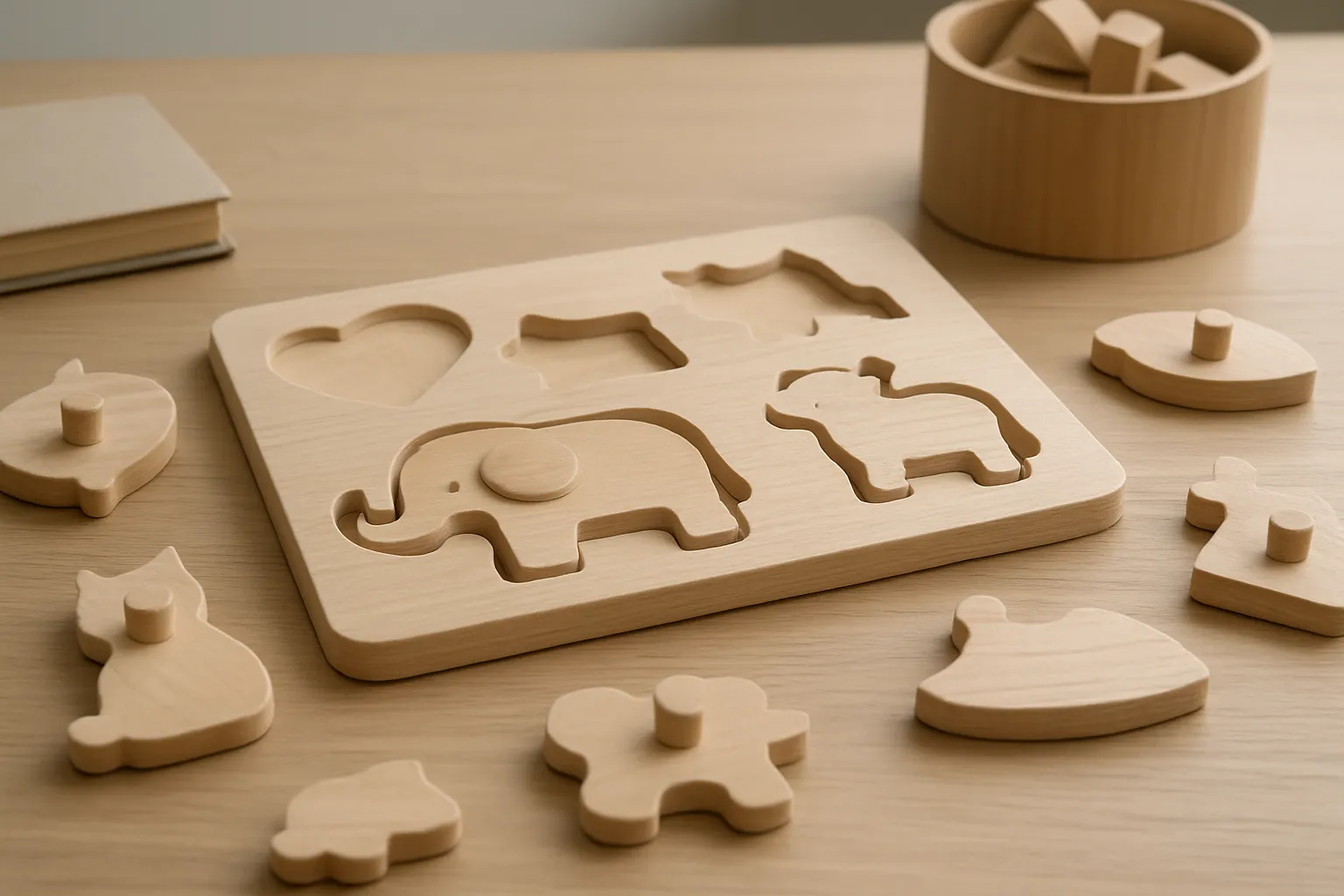
Cognitive development is an essential part of childhood, forming the foundation for lifelong learning and personal growth. As parents and educators increasingly seek tools to support this critical development, wooden puzzles have emerged as a popular choice. These classic intelligence toys not only entertain but also engage young minds in meaningful ways. Wooden puzzles provide a unique blend of fun and educational value. In this article, we will explore how wooden puzzles enhance cognitive skills, offering valuable insights for toy retailers looking to optimize their offerings.
Specifications of Wooden Puzzles
When considering wooden puzzles for retail, focusing on material quality is paramount. High-quality wood ensures durability and safety, making it a preferred choice for parents. Retailers should seek puzzles crafted from sustainably sourced materials that are free from harmful chemicals, which is increasingly important in today’s market.
Another key aspect is the size and complexity of puzzles. Offering a range that caters to different age groups and skill levels can significantly broaden a retailer’s customer base. For example, simpler puzzles with larger pieces are ideal for toddlers. More intricate designs can challenge older children and stimulate their critical thinking.
Furthermore, compliance with safety standards is non-negotiable in the toy industry. Retailers must ensure that the wooden puzzles they stock meet or exceed national safety regulations, providing peace of mind to parents and caregivers.
Cognitive Benefits of Wooden Puzzles
Wooden puzzles significantly enhance cognitive skills among children. One of the primary benefits is the improvement of problem-solving abilities. As children manipulate pieces to fit them into place, they learn to think critically and develop strategies to overcome challenges. This foundational skill is crucial for their future academic success.
Additionally, wooden puzzles improve memory and concentration. The act of recalling where pieces fit and maintaining focus on the task fosters these essential skills. Children engaged with puzzles often exhibit increased attention spans, which can translate to better performance in academic settings.
Fostering spatial awareness is another critical cognitive benefit. As children rotate and position puzzle pieces, they develop an understanding of how different shapes and sizes relate to one another. This skill is foundational for subjects like mathematics and science, making wooden puzzles a smart choice for educational development.
Use Cases for Toy Retailers
Toy retailers can effectively market wooden puzzles by identifying target age groups. For younger children, puzzles featuring animals, numbers, and letters can be particularly appealing. For older kids, more complex themes like geography or science can be introduced, appealing to their growing curiosity.
Educational settings present another significant use case. Schools and daycare centers are always on the lookout for resources that enhance cognitive development. Retailers can partner with these institutions to supply wooden puzzles that align with educational goals. For more insights, check out our article on exploring the benefits of educational puzzle toys for cognitive development in classrooms.
Family engagement activities are also a strong selling point. Wooden puzzles can serve as a bonding experience for families, encouraging collaborative play. Retailers can promote puzzles as ideal gifts for family game nights or special occasions, tapping into the growing trend of family-oriented activities.
Comparisons with Other Toys
When comparing wooden puzzles to plastic alternatives, the former often stands out for its durability and tactile experience. Wooden puzzles provide a sensory engagement that plastic options may lack, making them more appealing to parents concerned about excessive screen time.
In the realm of classic intelligence toys, wooden puzzles hold their ground against modern alternatives like electronic games. While digital games can offer interactive learning experiences, they often do not provide the same hands-on engagement that wooden puzzles do, which is vital for developing fine motor skills.
Puzzle games for kids come with their own set of benefits and drawbacks. While they can be engaging and educational, many lack the physical interaction that wooden puzzles promote. Retailers should highlight these distinctions to help parents make informed choices about their children’s playtime.
Sourcing Wooden Puzzles
Identifying reliable suppliers is crucial for retailers looking to stock wooden puzzles. Researching manufacturers that prioritize quality and ethical production practices can lead to a strong product lineup. Partnering with reputable suppliers can also enhance a retailer’s brand image.
Evaluating production practices is another essential step. Retailers should inquire about the sourcing of materials, labor conditions, and environmental impact to ensure they align with their brand values. This transparency can be a significant selling point for ethically-minded consumers.
Cost considerations are always top of mind for retailers. While it may be tempting to choose lower-cost options, investing in high-quality wooden puzzles can lead to better customer satisfaction and repeat business. Ultimately, quality often outweighs cost in the long run.
Implementation Strategies for Retailers
To effectively display wooden puzzles in stores, retailers should consider creating dedicated sections that highlight the cognitive benefits of these toys. Attractive displays can draw attention and encourage exploration, making the shopping experience more engaging.
Marketing strategies should focus on the educational value of wooden puzzles. Utilizing social media and in-store demonstrations can showcase how these toys enhance cognitive skills, appealing to both parents and educators alike. Interactive displays can significantly increase customer interest.
Customer education is paramount. Providing information on the benefits of wooden puzzles through brochures or engaging in-store staff can help parents understand the value of their purchases. Informed customers are more likely to make a purchase.
FAQs
What Age Group Benefits Most from Wooden Puzzles?
Research shows that children aged 2-8 years benefit significantly from wooden puzzles, as they are designed to align with developmental milestones during these formative years.
How Do Wooden Puzzles Compare to Digital Games?
While digital games can offer interactive experiences, wooden puzzles promote hands-on learning and cognitive skills that are essential for young children’s development.
What Should Retailers Look for in Quality Wooden Puzzles?
Retailers should prioritize puzzles made from high-quality, non-toxic materials, check for safety certifications, and evaluate the complexity and educational value of the puzzles.
In conclusion, wooden puzzles serve as a timeless educational tool that enhances cognitive skills in children. For toy retailers, understanding the specifications, benefits, and marketing strategies related to wooden puzzles can lead to a successful product offering that meets the growing demand for educational toys.