
Unlocking the Potential of Parent-Child Bonding Puzzles for Family Growth
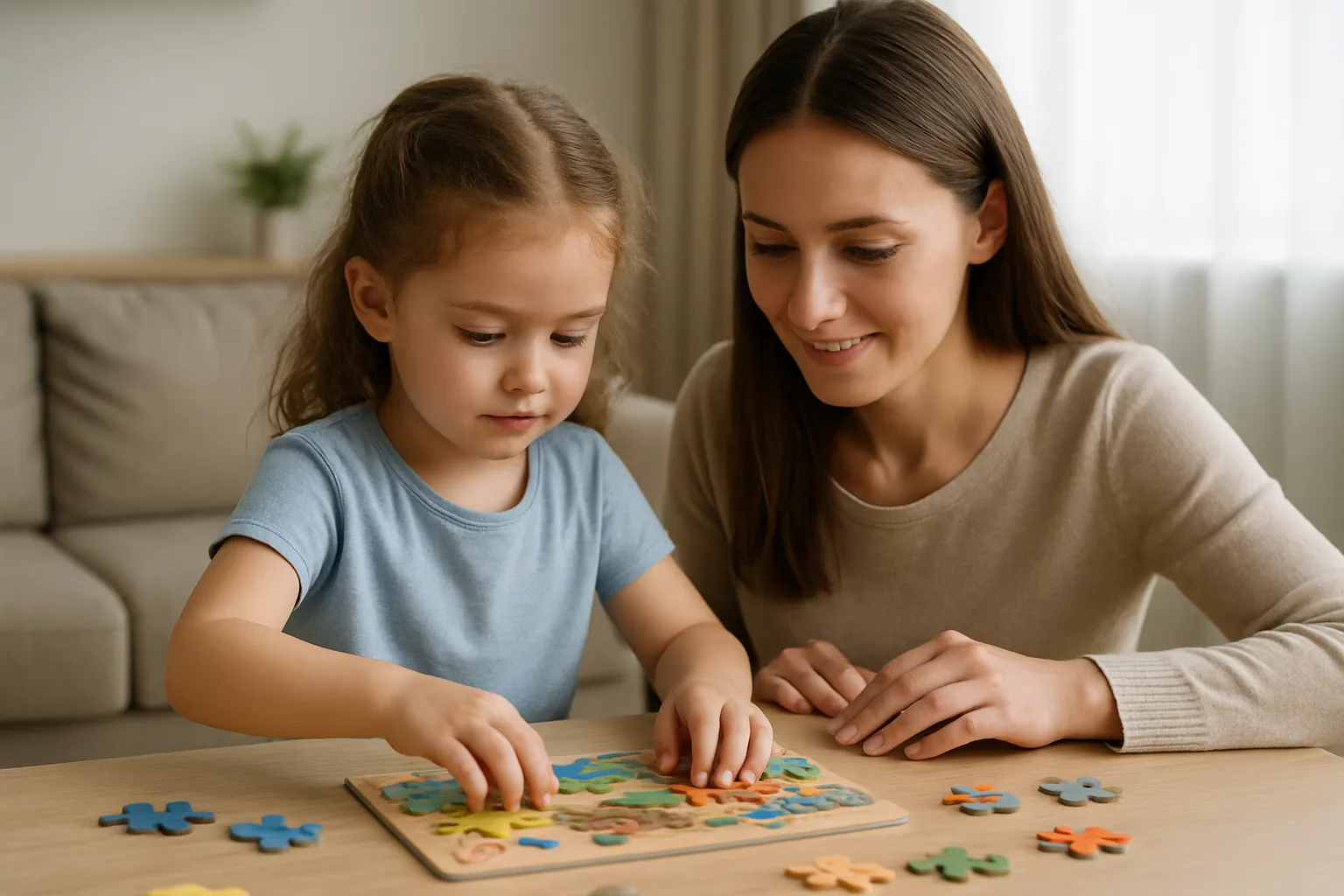
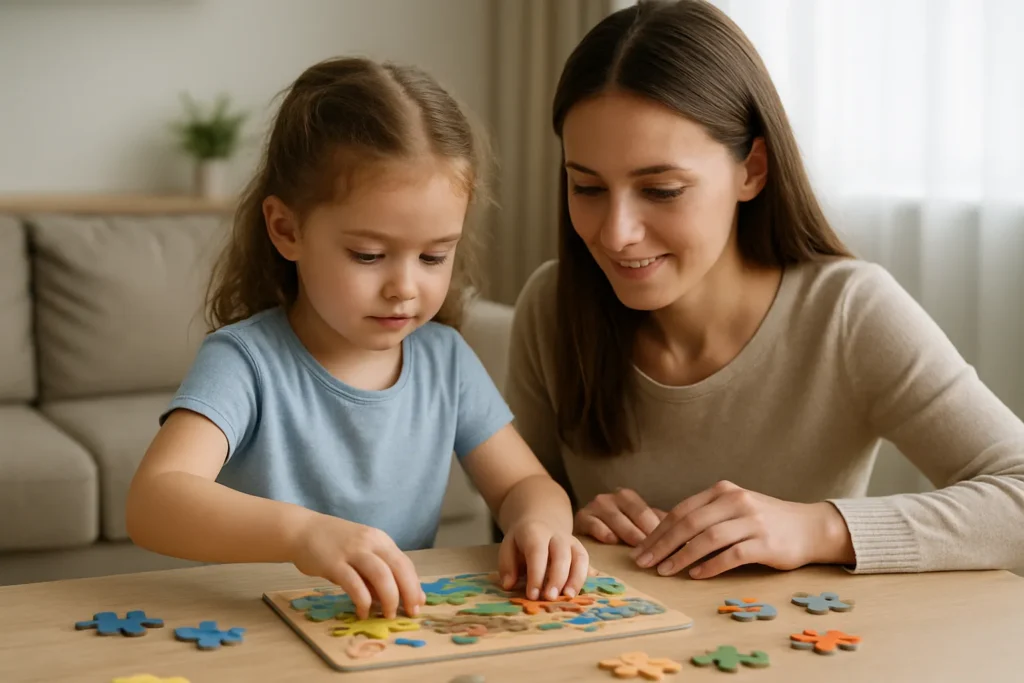
Parent-child bonding puzzles are fundamental to the emotional and psychological growth of children. Engaging in activities that enhance connection and communication, such as parent-child bonding puzzles, can significantly improve family dynamics. One activity that has gained popularity in recent years is puzzle games. These games not only entertain but also serve as a valuable tool for family interaction, making them an ideal choice for parents aiming to strengthen their relationships with their children. As a supplier of traditional toys, recognizing the importance of parent-child bonding puzzles can open up new avenues for business growth.
Exploring the Market Potential of Parent-Child Bonding Puzzles
The demand for puzzle games targeted at kids has witnessed a remarkable surge, driven by an increasing awareness among parents about the benefits of interactive play. From my perspective, parents are now more inclined to seek out toys that not only entertain but also promote learning and engagement. This trend positions parent-child bonding puzzles as a hot commodity. This presents significant growth opportunities for toy suppliers who can provide a diverse range of puzzles that appeal to various age groups and interests. Tapping into this trend can allow suppliers to establish themselves as leaders in the traditional toy market, catering to families seeking meaningful bonding experiences. An industry reference indicates that the demand for these puzzles is on the rise.
Specifications to Consider for Parent-Child Bonding Puzzles
When evaluating the types of puzzles available, suppliers should focus on a variety that includes jigsaw puzzles, 3D puzzles, and brain teasers, each designed to engage children in unique ways. It’s crucial to ensure that these puzzles are age-appropriate since different age groups require varying levels of complexity. Moreover, adhering to safety standards is essential, ensuring that all materials used are non-toxic and suitable for children. By offering puzzles that meet these specifications, suppliers can build trust with parents who prioritize their children’s safety and developmental needs.
Use Cases for Puzzle Games
Puzzle games serve multiple purposes that extend beyond simple entertainment. They play a vital role in enhancing cognitive skills such as problem-solving, critical thinking, and spatial awareness. From what I have seen, engaging in puzzle-solving as a family fosters communication and collaboration, ultimately strengthening family relationships. These use cases position parent-child bonding puzzles not just as products, but as valuable investments in a family’s quality time, making them attractive options for toy suppliers.
Comparing Different Types of Puzzle Games
When assessing puzzle games, it’s important to compare traditional puzzles with their digital counterparts. Traditional puzzles offer tactile experiences that can enhance sensory development, while digital puzzles may provide interactive elements that appeal to tech-savvy children. Additionally, educational puzzles designed to teach specific skills can be contrasted with entertainment puzzles that focus purely on fun. Understanding these differences allows suppliers to tailor their offerings to meet the diverse needs of families.
Sourcing High-Quality Parent-Child Bonding Puzzles
Identifying reliable suppliers is critical for toy suppliers looking to source high-quality parent-child bonding puzzles. Suppliers should evaluate potential partners based on their reputation, product range, and compliance with safety standards. Additionally, assessing the quality and cost of puzzles will help suppliers make informed decisions that align with their business goals. Establishing strong relationships with trusted manufacturers can lead to better pricing and exclusive offerings, further bolstering a supplier’s market position.
Effective Implementation Strategies for Toy Suppliers
To capitalize on the growing interest in puzzle games, toy suppliers should adopt effective marketing strategies. Highlighting the benefits of parent-child bonding puzzles through social media campaigns, influencer partnerships, and educational content can resonate with target audiences. Collaborating with educational institutions can also provide opportunities for demonstrations and workshops, showcasing how these puzzles can be integrated into learning experiences. Such strategies not only enhance visibility but also position suppliers as thought leaders in the traditional toy industry.
FAQs about Parent-Child Bonding Puzzles
What makes a puzzle suitable for bonding?
A suitable puzzle for bonding is one that encourages collaboration and communication, allowing family members to work together towards a common goal. Puzzles that are visually appealing and age-appropriate can facilitate this interaction.
How can I choose the right puzzle for different ages?
When selecting puzzles, consider the child’s age and developmental stage. For younger children, simpler jigsaw puzzles with larger pieces are ideal, while older children may enjoy more complex designs or educational puzzles that challenge their skills. Always prioritize safety and adhere to age recommendations provided by manufacturers.
In conclusion, the market for parent-child bonding puzzles is ripe with opportunities for toy suppliers. By understanding the dynamics of this niche, suppliers can create products that meet the needs of families while contributing to the emotional development of children. Emphasizing quality, safety, and the unique benefits of these puzzles will position suppliers favorably in the competitive landscape of traditional toys.