
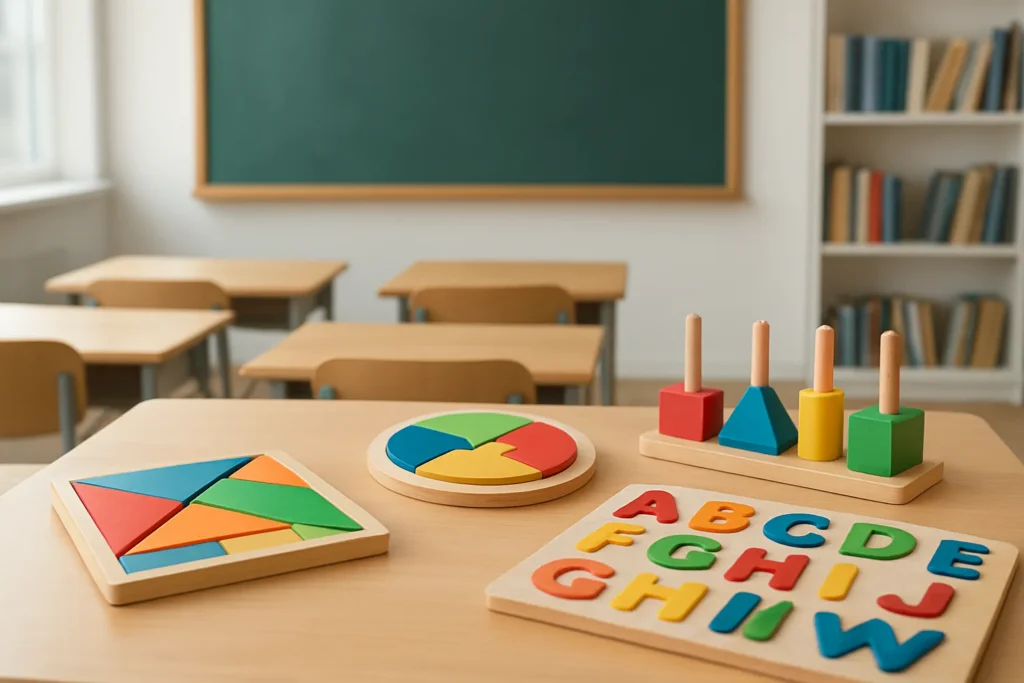
Enhancing Cognitive Development with Educational Puzzle Toys for Students
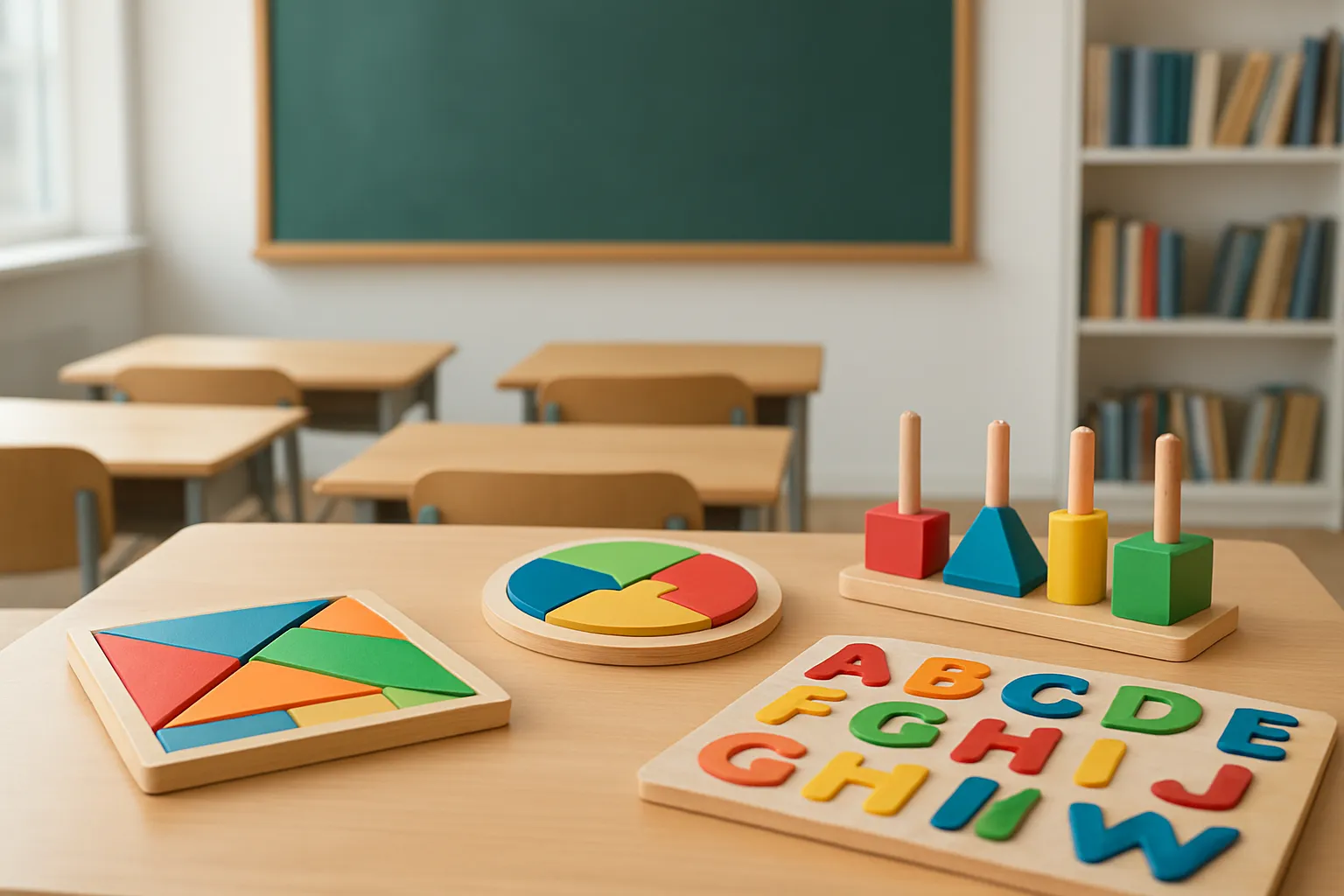
In recent years, educational puzzle toys have become increasingly popular in modern classrooms. They serve as dynamic tools that entertain and play a significant role in fostering crucial cognitive development among students. These toys come in various shapes and sizes, specifically designed to challenge young minds while offering a fun and engaging learning experience. As more educators recognize the importance of cognitive development in academic settings, integrating educational puzzle toys into the curriculum has evolved beyond a mere trend; it has become a necessity.
Cognitive development is foundational for students, as it lays the groundwork for critical thinking, problem-solving, and decision-making skills. By incorporating educational puzzle toys into classroom activities, teachers can cultivate an environment that promotes learning and growth, ultimately preparing students for future academic and personal success.
Specifications of Educational Puzzle Toys
Educational puzzle toys are incredibly diverse, encompassing a wide range of options that cater to various learning styles and age groups. This includes jigsaw puzzles, 3D puzzles, logic puzzles, and more. Each type serves distinct educational purposes, from enhancing spatial awareness to improving memory retention.
When selecting educational puzzle toys, it is essential to consider the materials used in their construction. High-quality, non-toxic materials that comply with safety standards are crucial to ensure the well-being of students. Additionally, age appropriateness is a significant factor; toys should be designed for specific age groups to maximize engagement and learning outcomes. For instance, younger children may benefit from simpler puzzles focusing on basic shapes and colors. In contrast, older students can tackle more complex challenges that require advanced reasoning skills.
Benefits of Educational Puzzle Toys
The advantages of educational puzzle toys extend far beyond mere entertainment. One of the primary benefits is their ability to enhance problem-solving skills. As students manipulate pieces and work toward a solution, they cultivate critical thinking abilities that are essential in both academic and real-world scenarios.
Moreover, educational puzzle toys promote teamwork and collaboration. Many puzzles are designed for group play, encouraging students to communicate, share ideas, and work together toward a common goal. This collaborative environment not only strengthens social skills but also fosters a sense of community within the classroom.
Additionally, these toys support the development of fine motor skills. As students grasp, fit, and maneuver puzzle pieces, they refine their hand-eye coordination and dexterity—skills that are vital for everyday tasks and future learning endeavors.
Use Cases in Classroom Settings
Integrating educational puzzle toys into the curriculum can be seamlessly achieved through various activities and lesson plans. For example, teachers can incorporate puzzles into math lessons, using them to teach concepts like fractions or geometry. By linking puzzles to the curriculum, educators can create a more engaging and effective learning experience.
Activities can range from individual challenges to team-based competitions, allowing for flexibility in teaching styles. Successful implementation can be demonstrated through case studies where schools have reported improved student engagement and academic performance after introducing educational puzzle toys into their classrooms.
Comparison with Other Cognitive Development Toys
When comparing educational puzzles with traditional toys, the effectiveness in fostering cognitive development becomes evident. Unlike passive toys, educational puzzle toys require active participation, encouraging students to think critically and apply their knowledge. This active engagement is key to effective learning.
Furthermore, a cost-effectiveness analysis shows that investing in educational puzzle toys can yield long-term benefits. While the initial purchase may seem significant, the educational value and potential for improved student outcomes make them a worthwhile investment compared to other cognitive development toys that may not offer the same level of engagement.
Sourcing Educational Puzzle Toys
Finding reliable wholesale puzzle suppliers is essential for schools looking to integrate educational puzzle toys into their programs. Suppliers should be evaluated based on product quality, safety standards, and customer service. It’s vital to conduct thorough research and read reviews to ensure that the chosen supplier aligns with the school’s values and needs.
Negotiating bulk purchase agreements can also provide schools with significant cost savings. By establishing a good relationship with suppliers, educators can secure better pricing and ensure a steady supply of educational puzzle toys for their classrooms.
Implementation Strategies
Successful implementation of educational puzzle toys in classrooms requires strategic planning. Training educators on the effective use of puzzles is crucial; they should understand how to incorporate these tools into their teaching methods effectively. Creating an engaging learning environment that encourages exploration and creativity will further enhance the impact of these toys.
Measuring the impact on student development is essential to assess the effectiveness of educational puzzle toys. Educators should track progress and gather feedback from students to continuously refine their approach.
Frequently Asked Questions
What are the best educational puzzle toys for classrooms? The best toys are those that cater to the specific age group and learning objectives, such as logic puzzles for older students and shape sorters for younger ones.
How do I choose the right supplier? Look for suppliers with a proven track record of quality products, positive reviews, and strong customer support.
What are the expected outcomes from using these toys? Expected outcomes include enhanced problem-solving skills, improved teamwork, and better fine motor skills among students.
In conclusion, educational puzzle toys are invaluable tools for cognitive development in classrooms. Their ability to engage students, promote collaboration, and enhance critical thinking skills makes them an essential component of modern education. By sourcing quality products from reliable wholesale puzzle suppliers and implementing effective strategies, educators can create enriching learning environments that prepare students for success. For more insights into the benefits of these tools, check out this industry reference from AZoM.