
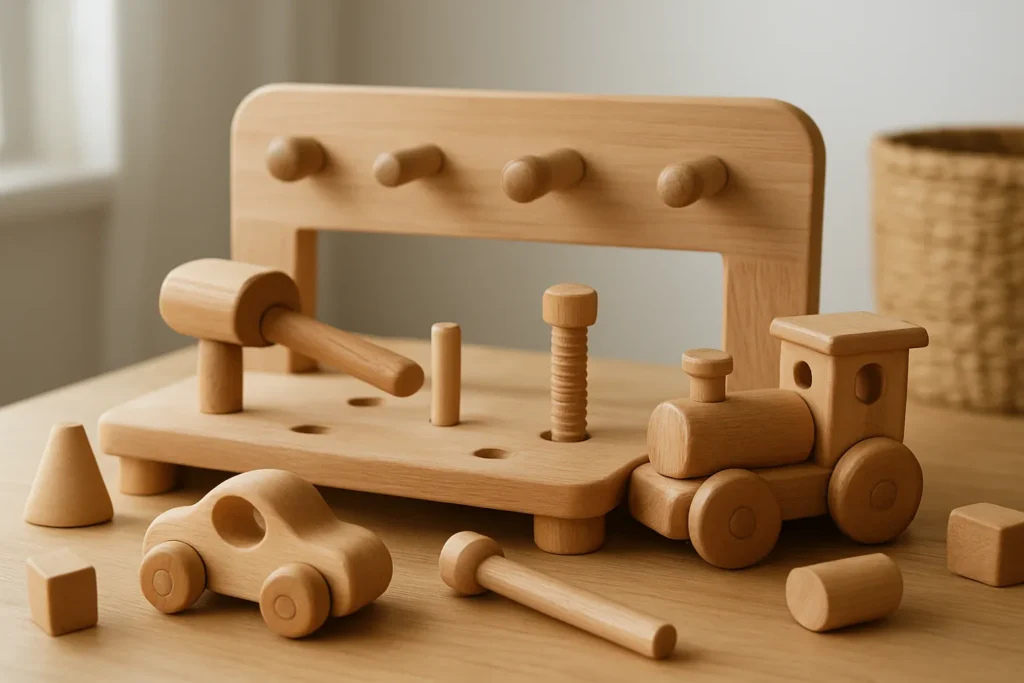
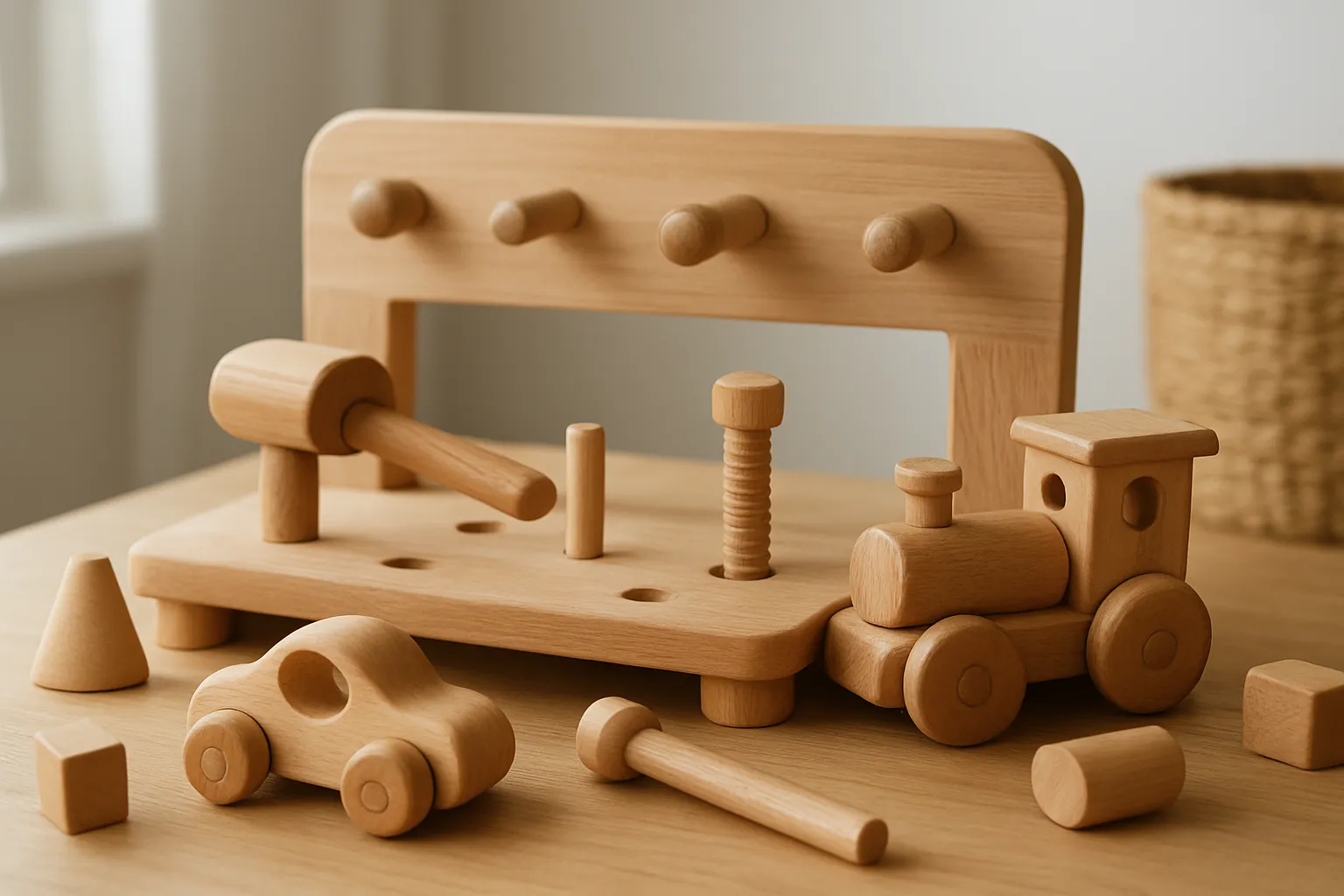
In an age dominated by digital distractions, traditional craftsmanship toys stand out as timeless treasures that not only entertain but also enrich the parent-child relationship. These toys, often handcrafted from natural materials, emphasize the value of quality over quantity and foster meaningful interactions. As parents seek ways to strengthen their bonds with their children, traditional craftsmanship toys emerge as a pivotal tool in enhancing parent-child bonding.
Specifications of Traditional Craftsmanship Toys
Traditional craftsmanship toys are typically made from high-quality materials such as wood, fabric, and natural fibers, ensuring durability and safety for children. In my experience, these toys often comply with stringent safety standards and regulations, including ASTM and EN71 certifications, which are essential for consumer trust. Furthermore, age appropriateness is a crucial consideration, as these toys are designed to engage children at various developmental stages, ensuring that they are both safe and suitable for their intended age groups.
Benefits of Parent-Child Bonding Toys
Parent-child bonding toys offer numerous benefits that extend beyond mere play. Firstly, they enhance communication skills as parents and children engage in dialogue while playing, discussing rules, strategies, and stories related to the toys. I believe that this dialogue is vital for developing critical thinking and social skills. Secondly, these toys encourage collaborative play, allowing parents and children to work together towards a common goal, whether it’s building a structure or completing a puzzle. This teamwork fosters emotional connections, as shared experiences create lasting memories and strengthen the familial bond.
Use Cases for Traditional Craftsmanship Toys
Traditional craftsmanship toys are versatile and can be utilized in various settings. For instance, in educational environments, these toys can serve as tools for learning through play, promoting cognitive development and problem-solving skills. Family game nights become more engaging with these toys, as they encourage participation from all family members, creating a lively atmosphere filled with laughter and learning. Additionally, outdoor activities can be enhanced with traditional toys that promote physical engagement, ensuring that children remain active while enjoying quality time with their parents.
Sourcing Traditional Craftsmanship Toys
When sourcing traditional craftsmanship toys, identifying reliable suppliers is paramount. Retailers should evaluate potential suppliers based on their reputation, craftsmanship quality, and adherence to safety standards. It is also essential to assess the quality of materials used, as this directly impacts the longevity and safety of the toys. Bulk purchase considerations should include minimum order quantities, pricing structures, and shipping logistics, enabling retailers to stock their shelves efficiently while providing consumers with high-quality options.
Implementing Traditional Craftsmanship Toys in Retail
To successfully implement traditional craftsmanship toys in retail, effective display strategies are crucial. Creating eye-catching displays that highlight the unique features and benefits of these toys can attract customers’ attention. From what I have seen, marketing approaches should focus on storytelling, emphasizing the emotional connections and learning opportunities that these toys provide. Additionally, engaging customers through interactive demonstrations or workshops can enhance their experience, encouraging them to explore the toys further and appreciate their craftsmanship.
Comparisons with Modern Toys
When comparing traditional craftsmanship toys with modern alternatives, several factors come into play. Durability and longevity are often superior in traditional toys, as they are made from robust materials designed to withstand the test of time. Learning outcomes also tend to be more profound with traditional toys, as they often encourage imaginative play and critical thinking. Furthermore, the environmental impact of traditional craftsmanship toys is generally lower, as they are often produced with sustainable practices and materials, appealing to eco-conscious consumers.
FAQs about Traditional Craftsmanship Toys
- What are the best-selling types? Popular types of traditional craftsmanship toys include wooden blocks, puzzles, and handmade dolls, which resonate well with both children and parents.
- How to ensure quality in bulk purchases? To ensure quality, retailers should request samples, check supplier certifications, and read customer reviews before committing to bulk orders.
- What are the trends in traditional toys? Current trends in traditional craftsmanship toys include a growing emphasis on sustainable materials, educational value, and the integration of technology in a balanced way, allowing for both traditional play and modern learning.
In conclusion, traditional craftsmanship toys serve as a bridge that enhances parent-child bonding while offering educational benefits. Their unique specifications, versatile use cases, and the opportunity for bulk purchasing make them an appealing choice for retailers and parents alike. By investing in these toys, families can create lasting memories and foster deeper connections, ensuring that the joy of play continues across generations.